How a Professional Gym Floor Plan Design Maximizes Space and Functionality
MK
Designing a gym is not merely a question of choosing the equipment and placing it in the room. Whether it is a commercial facility or a private workout space, the way the area is structured has a direct influence on usability, safety, comfort, and overall experience. A thoughtfully designed gym floor plan design allows one to convert a plain room into a space that supports movement, efficiency, and long-term functionality.
Many gyms struggle not because of limited square footage but due to poor planning. Even a large facility can be cramped due to the congested walkways, lack of proper equipment placement, and ineffective zoning. Professional planning, in its turn, enables each square meter to have a distinct purpose.

Space Planning Starts with a Purpose
The best gym layout design starts with the knowledge of the actual use of the space. The needs of a gym that is used to do strength training will be different compared to that of a gym that is used to do group classes, rehabilitation, or functional training.
The first things considered by professional designers are
Professional designers first evaluate:
- Primary training goals
- Expected user flow
- Types of equipment, sizes
- Safety clearances
- Storage requirements
In the absence of this, equipment usually competes to be where it does not belong instead of complementing each other.
Distribution of cardio machines, as an example, may cause disruption of circulation and collision risks in case they are placed too close to the free weights. Such conflicts can be avoided with the help of a structured layout of the fitness center, which establishes purposeful zones.
Zoning Improves Efficiency and Comfort
Zoning is one of the most useful features of designing a professional gym floor plan. Designers do not consider the gym as one open space but separate it into functional units.
Common zones may include:
- Strength training
- Cardio training
- Functional training
- Group activity areas
There are a number of benefits of zoning. It lessens the congestion, makes the movement directions explicit, and adds value to the entire workout process. The users have the instinctive knowledge of where to turn, and the use of equipment is more productive.
There are clear zones as well, which help in psychological comfort. The presence of a clear stretching area, e.g., will promote recovery and mobility exercise instead of making users stretch among machines.
Traffic Movement Avoids Congestion
Among the most prevalent problems with amateur designs of gyms can be poor circulation. Customers will be forced to stand in between the machines or disrupt other people as they exercise. The gym building layout design is professional and focuses on movement.
Designers carefully map:
- Entry and exit points
- Natural walking paths
- Equipment spacing
- Transitional areas
The movement of traffic in the space is smooth, and thus there is reduced friction. It helps reduce distraction and make it more professional and polished. The feeling of crowding can be eradicated even in smaller gyms through intelligent planning.
Equipment Placement Enhances Functionality
The spatial impact of equipment is not that of all equipment. Certain machines will need a large clearance of movement, whereas others will need to be seen or anchored to the wall.
A professional fitness center arrangement takes into consideration:
- Machine dimensions
- User movement range
- Safety buffer zones
- Visibility lines
As an illustration, squat racks and cable systems should have wide clearance. When they are placed too closely to the walls or other stations, they are limited in their movements and are more likely to cause injuries. Safety and usability is guaranteed by strategic placement.
Adequate spacing also increases the life of equipment. Cramped machines will be affected by accidental impacts and wear more.
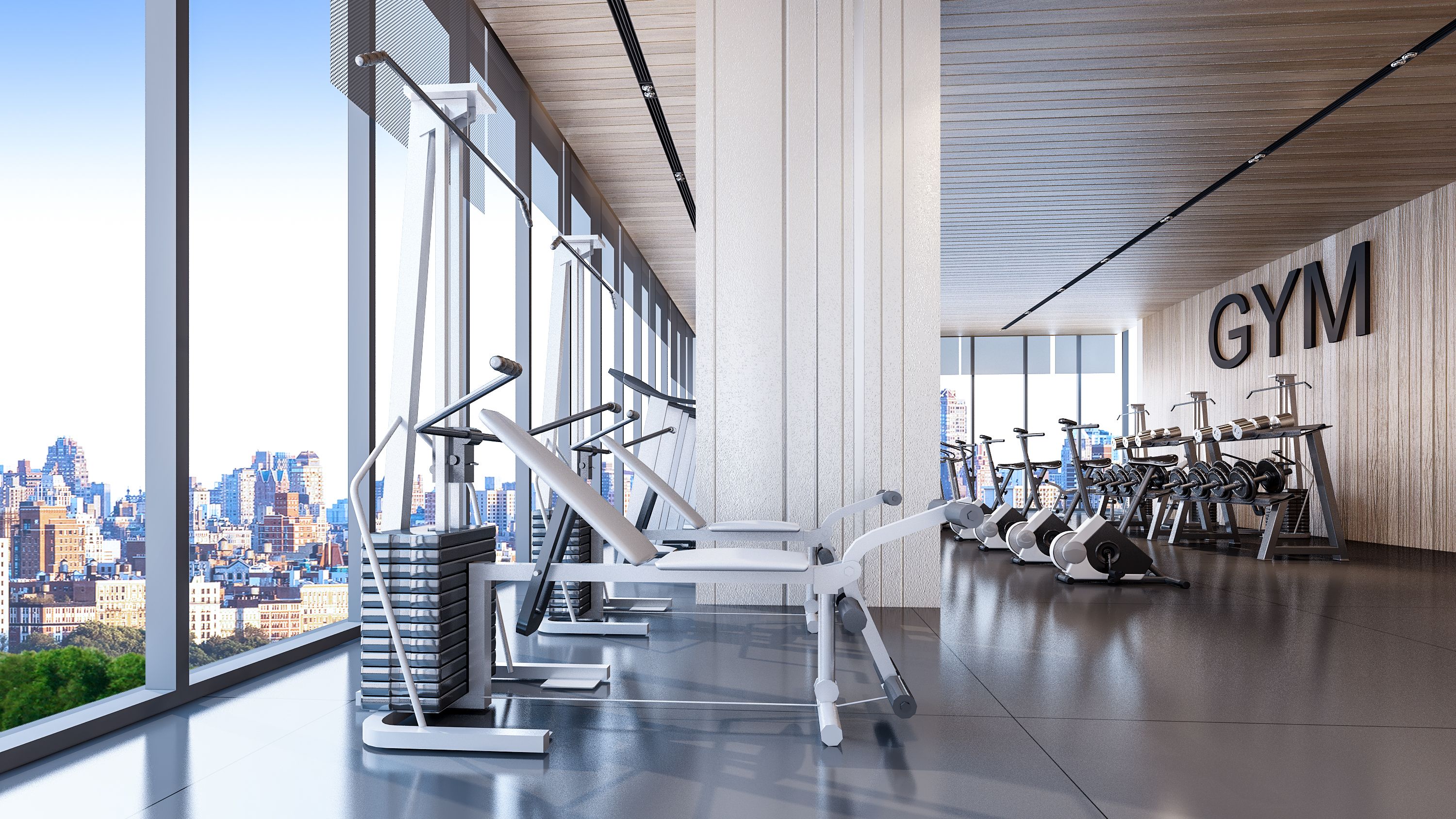
Storage Integration Saves Storage Space
Clutter soon becomes dysfunctional. The loose weights, resistance bands, mats, and accessories can take up useful areas in the floor when they have no proper storage plans.
Professional gym floor plan design combines storage at the beginning level and not as an afterthought. Multi-purpose storage solutions, built-in racks, and wall-mounted structure ensure the gym is organized without deteriorating the workout space.
A cluttered environment leads to reduced safety, and beauty and increased efficiency in the work. There is more than expected to lighting and visibility.
Although floor planning is also concerned with the physical space, the visual dynamics are also significant. The effect of lighting, view lines, and openness contributes to making a gym look spacious and attractive.
Professional designers take into account:
- Natural light sources
- Mirror placement
- Ceiling height perception
- Visual balance
Examples of mirrors are not only decorative. They increase the degree of visibility, form tracking, and the sense of space. A gym that is well illuminated is more spacious, hygienic, and encouraging.
Small Spaces Benefit the Most from Professional Design
Expert planning has the most beneficial effect on small gyms, ironically. In situations where space is minimal, each choice in terms of placement is decisive.
An elegant design of gym space can:
- Prevent overcrowding
- Support multiple training styles
- Maintain safety clearances
- Improve movement efficiency
Lacking planning, smaller gyms can be limiting and unpleasant. They need to be surprisingly spacious and versatile in professional design.
Luxury Home Gym Design Requires Precision
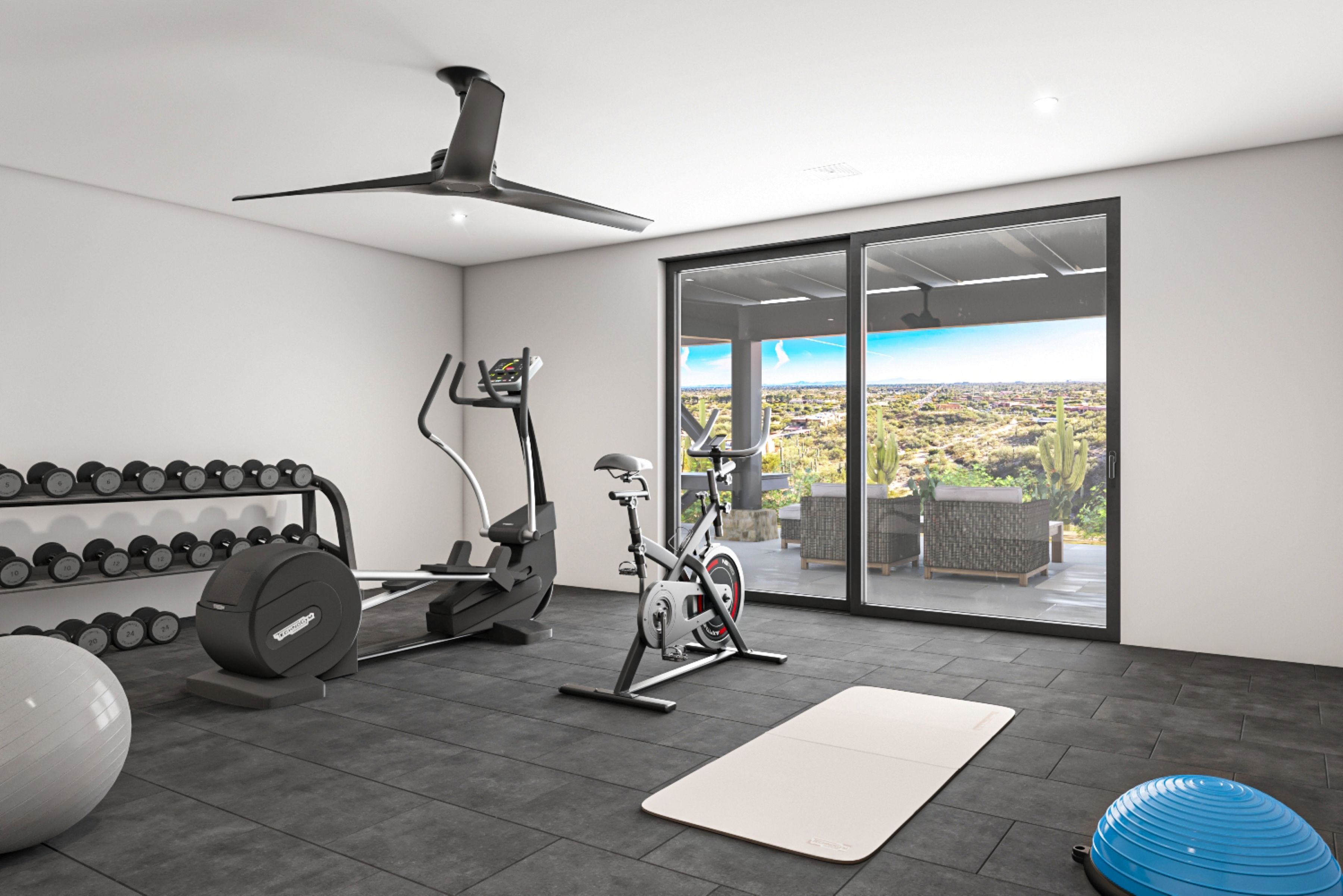
Gym design in residential situations becomes more complicated. Home gyms have to strike a balance between performance, comfort, aesthetics, and integration with the surrounding environment.
A high-end residential gym design will cover:
- Equipment scaling
- Noise control
- Ventilation
- Visual harmony
- Multi-use flexibility
Unlike commercial gyms, home gyms are deeply personal spaces. They have to meet lifestyle inclinations, architecture, and day-to-day practices. It is at this point where a professional home gym designer comes in.
Instead of just crowding a room with machines, designers come up with a design that emphasizes usability and elegance. The result is a gym that feels intentional rather than improvised.
Wrapping Up
A gym is more than a collection of equipment. It is a functional ecosystem where movement, safety, and efficiency must work together seamlessly. Professional gym floor plan design ensures that space is maximized, workflows are streamlined, and the environment supports both performance and comfort.
Whether developing a commercial facility or investing in a luxury home gym design, expert planning transforms limitations into opportunities. With the guidance of an experienced home gym designer, every square meter can deliver purpose, balance, and long-term usability. Contact us today to learn more about our gym floor plan designs.