How to Plan a Gym Floor Layout for Maximum Space Efficiency
MK
Efficient gym design is not just about installing equipment wherever it fits. An effective floor plan will make the gym functional, provide users with an optimal experience, and keep them safe during workouts. It is important to have the best plans even when you are designing a home gym. Having a proper structure at the start may help you get the best out of each and every inch in the gym.
Start with Your Goals and Space Assessment
To set up your gym first, define the purpose for your gym. Are you looking to create an at-home gym, a small-scale studio, or a complete commercial gym? The goals you set will determine the overall design of the fitness center.
Know your space and ceiling heights, access points, and other construction restrictions. These elements are typically the initial step in any professional gym floor plan design process, forming a foundation for a functional space. This will allow the layout to fit the space rather than fight the space.
Divide the Gym into Functional Zones
A well-designed gym is based on well-defined areas. Equipment grouping helps to increase flow and avoids overcrowding.
Common zones include:
- From the wall you can see the cardio area (treadmills, bikes, ellipticals)
- Strength training area (free weights and machines)
- Functional training zone (open space for movement)
- An area for stretching and/or recovery
A gym floor plan designer will make sure that each area is presented in an orderly fashion to reduce congestion and improve accessibility. For example, cardio equipment can be placed by entrance points to ensure the members' easy reception, while the more weighty equipment can be placed at greater distances from the entrance points.
Traffic Flow and Accessibilities Are Critical
Traffic flow is perhaps the least considered aspect of gym floor plan design. Members must not have any difficulty moving around different zones in the gym, except for avoiding congested places.
Key considerations include:
- Large walkways between equipment
- Ensure clear routes to exits and emergency routes
- Access to common machines that are easily reached
Creating a well-planned fitness center layout helps minimize bottlenecks and provides an environment that's comfortable for every user regardless of fitness levels.
Optimize Equipment Placement
Careful positioning of equipment is key to space efficiency. Don't "cram" machines into various spots, but instead, strive for balance and usability.
These are the tips and tricks of a gym floor plan designer when it comes to equipment placement:
- Position large machines along walls to free up central space
- Take advantage of mirrored walls to open up the room.
- Handle free weights properly for safe lifting and moving.
- Ensure that equipment that is used regularly is readily available
Collaborating with a home gym designer can prevent you from making some mistakes, like having too much clutter or improper spacing that can make the gym less user-friendly.
Make Use of Vertical Space
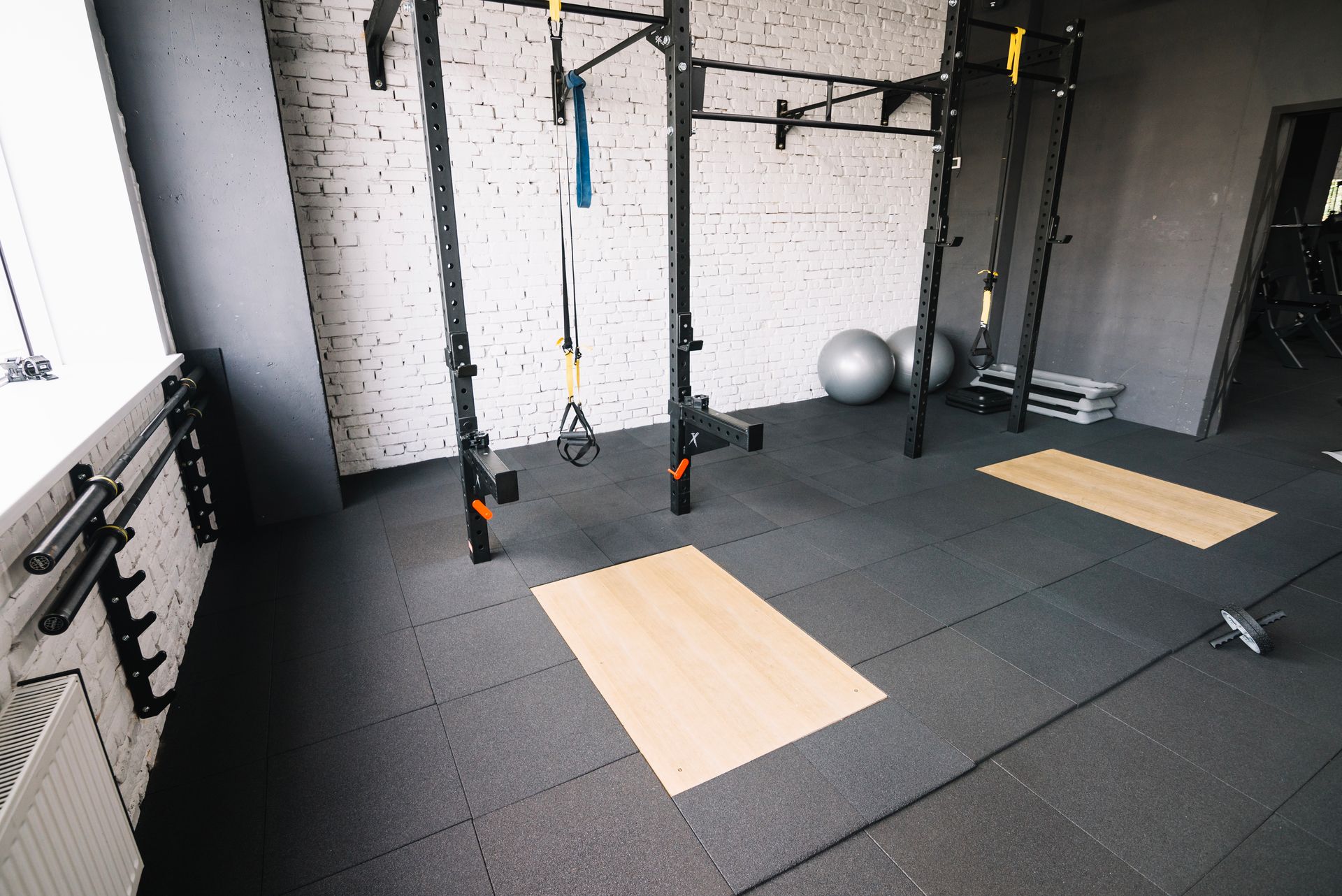
Vertical space is valuable when floor space is limited. The use of wall-mounted racks, storage units, and foldable equipment can really boost efficiency.
If you are looking for a smart gym layout planner, you will need to include vertical solutions like:
- Accessory wall weights and storage
- Mounted bands & tools for resistance band exercises
- Foldable benches / compact machines
This is a great way to do it, particularly if you are operating a smaller gym or working with a home gym designer to design a small but efficient gym.
Ensure Safety and Comfort
Safety should always be a priority in any gym floor plan design. Proper spacing between equipment helps prevent accidents and allows users to use equipment comfortably.
Some safety factors to keep in mind:
- Machines are spaced properly
- Non-slip flooring materials
- The correct ventilation and lighting of the room
- Clear emergency exits
A professional fitness center layout is efficient, safe, and comfortable for everyone, allowing them to enjoy their workouts without harm.
Plan for Flexibility and Future Growth
The floor plan of your gym should not only be suitable for your current needs but also for future growth or changes. Fitness trends change, and your room needs to evolve.
A professional gym floor plan designer will:
- Allow space for extra machinery
- Create multi-purpose areas
- Apply modular designs that can be flexibly modified
This versatility will ensure that your gym will stay relevant and be useful over the years.
Aesthetic and Branding Considerations
While the functionality of the space is one of the factors influencing the efficiency of the layout of the gym, the function also influences the aesthetic aspects of the layout. Keeping things clean and organized will help to increase the professionalism of the place.
Consider:
- Colors that inspire the area
- Well planned lighting to enhance specific areas
- Collaborate with your identity – brand elements
Use Professional Planning Tools and Expertise
It is possible to create a design on your own, but working with a gym floor plan designer can be beneficial. Advanced tools and industry knowledge are used by professionals to make optimized layouts.
They can:
- Draw detailed floor plans
- Suggest optimal equipment placement
- Ensure compliance with safety standards
- Maximize space efficiency
It is easier to create a finished and efficient design with the help of a home gym designer or a commercial professional.
Test and Refine Your Layout
Once your layout is planned, make sure to review it before you finish. Walk through space, visualize the movement of the users, and look for any problems.
Ask such questions as:
- Are spaces between equipment adequate?
- Is there easy access to all zones?
- Is the floor plan open and functional?
Refining your gym floor plan design at this stage can save time and costs later.
Wrapping Up
Designing a gym floor layout for space efficiency needs to balance functionality, safety, and design. Defining goals, planning zones, optimizing equipment placement, and planning for future growth can help to create a space that functions well for the users.
Whether you are working with a home gym designer or a professional gym floor plan designer, investing in a thoughtful fitness center layout ensures long-term success. With the right strategy, your gym can create a comfortable, efficient, visually stunning space to facilitate all fitness routines. Contact us today to learn more about our gym floor plan designs.